
Can you really create passive income through real estate in Columbus?
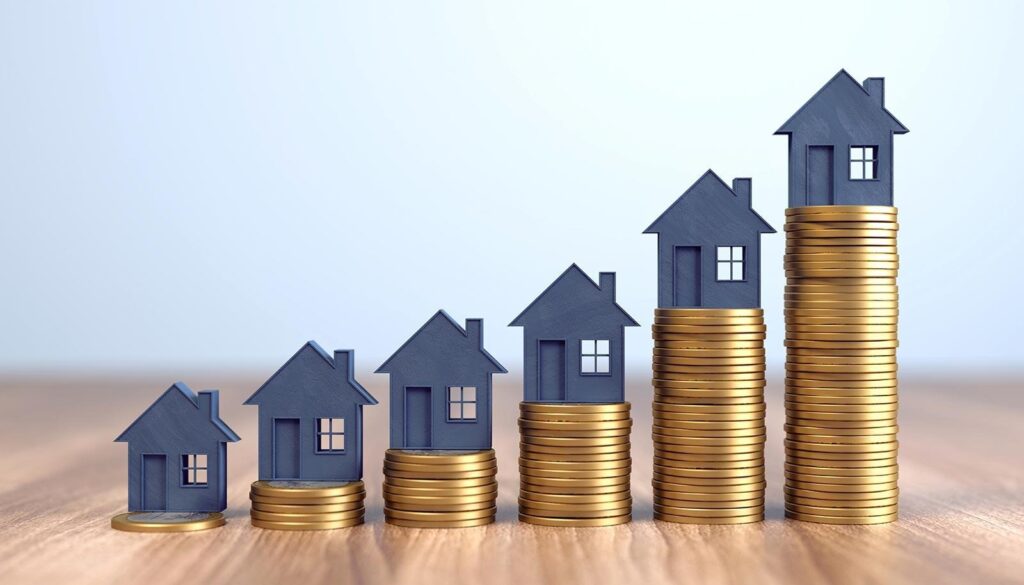
Here is the straight answer. Yes, you can build passive income through real estate in Columbus, but it is not as passive as people think in the beginning.
What makes Columbus stand out is balance. You get a growing population, steady job market, and property prices that are still within reach compared to major US cities. That combination creates the foundation for consistent rental income and long term appreciation.
Many buyers start their journey looking at homes for sale in cincinnati ohio or browsing cincinnati homes for sale, but they eventually realize Columbus offers a stronger mix of affordability and future growth.
So the real question is not whether it works. The real question is how to do it the right way.
Understanding passive income in real estate
Let’s clear something up first. Passive income in real estate does not mean zero effort. It means building a system where your property generates income with minimal daily involvement.
In Columbus, this usually comes from rental properties. You purchase a home, rent it out, and generate monthly cash flow after covering expenses.
There are three core income streams you should understand.
The first is monthly rental income, which is your primary cash flow. The second is property appreciation, where your home increases in value over time. The third is tax advantages, which can reduce your overall financial burden.
When these three elements work together, you are not just earning money. You are building long term wealth.
Why Columbus is ideal for passive income investing
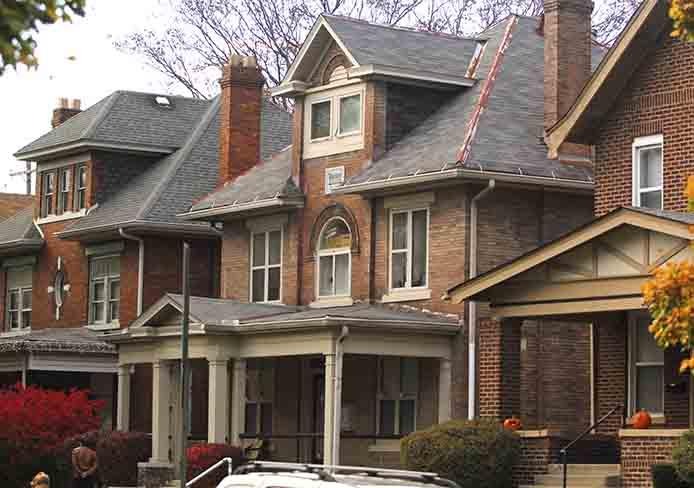
Columbus has quietly become one of the most attractive real estate markets in the Midwest.
The city continues to grow, both in population and economic activity. Employers across healthcare, education, and technology sectors keep bringing people in, which naturally increases housing demand. Institutions like Ohio State University play a major role in maintaining a stable rental market.
What this means for investors is simple. You are not chasing short term trends. You are entering a market with consistent demand.
Another important factor is entry price. Compared to cities like Austin or Denver, Columbus allows you to get started with less capital while still benefiting from steady appreciation.
What kind of income can you expect?
This is where expectations need to be realistic.
A typical rental property in Columbus might generate between 1,200 and 2,000 dollars per month in rent, depending on location and property type. After expenses such as mortgage, taxes, maintenance, and management, your net monthly cash flow could range from 200 to 600 dollars per property.
Now here is where it becomes powerful.
If you own multiple properties, that income compounds. Two to three properties can create a steady secondary income stream. Over time, as rents increase and mortgages get paid down, your profit margin improves.
Real example: how a beginner builds passive income
Let’s make this practical.
Imagine a first time investor buys a property in Columbus for 300,000 dollars. They put down 20 percent and finance the rest. The monthly mortgage, taxes, and insurance come to around 1,800 dollars.
They rent the property for 2,200 dollars per month.
After expenses, they are left with roughly 300 to 400 dollars in positive cash flow.
Now scale that over five years.
- Rent increases gradually
- Mortgage balance decreases
- Property value rises
At that point, the same property could be generating significantly higher returns while also holding strong equity.
This is how passive income in real estate actually builds.
Investment strategies that work in Columbus

Different strategies work depending on your goals and budget.
Single family rentals are the most common starting point. They are easier to manage and attract long term tenants, especially families.
Multi family properties, such as duplexes or triplexes, offer higher income potential because you are generating rent from multiple units within one property.
Short term rentals can also be profitable in certain areas, but they require more management and depend heavily on location and local regulations.
Some investors begin by researching houses for sale in cincinnati ohio, but shift toward Columbus after realizing the rental yield often performs better relative to purchase price.
Cost breakdown: what you need to get started
Here is a simplified view of initial and ongoing costs.
| Cost Category | Estimated Amount |
| Down payment | 15 percent to 25 percent |
| Closing costs | 2 percent to 5 percent |
| Monthly mortgage | 1,200 to 2,000 dollars |
| Maintenance reserve | 1 percent of property value annually |
| Property management | 8 percent to 12 percent of rent |
Understanding these numbers early helps you avoid surprises and plan your investment more strategically.
Step by step process to build passive income
Step 1: Define your goal
Start by deciding what you want. Are you looking for monthly cash flow, long term appreciation, or a mix of both?
Step 2: Secure financing
Getting pre approved gives you clarity and positions you as a serious buyer in the market.
Step 3: Choose the right neighborhood
Not all areas perform the same. Look for neighborhoods with strong rental demand, good schools, and future development plans.
Step 4: Analyze the deal
Run the numbers carefully. Make sure the property generates positive cash flow after all expenses.
Step 5: Manage or outsource
You can manage the property yourself or hire a property management company to make the process more passive.
Renting vs owning from an investor mindset
Many people begin by searching for houses for rent in cincinnati ohio or even a house for rent cincinnati ohio. Renting feels easier and less risky.
But from an investor perspective, renting means you are paying someone else’s mortgage. Owning, on the other hand, allows you to build equity while generating income.
Over time, this difference becomes significant. That is why many individuals who once focused on rent a house cincinnati eventually transition into property ownership in Columbus.
Common mistakes to avoid
One of the biggest mistakes is overpaying for a property based on emotion rather than numbers. A deal only works if the numbers make sense.
Another common issue is underestimating expenses. Maintenance, vacancies, and unexpected repairs can impact your returns if you are not prepared.
Some investors also ignore location quality, focusing only on price. A cheaper property in a weak rental area often performs worse than a slightly more expensive home in a strong location.
Finally, trying to scale too quickly without proper planning can create unnecessary financial pressure.
Expert insights for long term success
Consistency beats speed in real estate.
Instead of chasing multiple deals at once, focus on buying one solid property at a time. Build experience, understand the market, and refine your strategy as you grow.
Pay attention to economic trends in Columbus. Job growth, infrastructure development, and population movement all influence property performance.
And most importantly, think long term. Real estate rewards patience more than anything else.
Is Columbus a good place to invest in property?

Columbus offers a rare combination of affordability, stability, and growth.
The city continues to attract new residents, which supports rental demand. Property values are rising at a steady pace, and the overall cost of entry is still manageable.
For investors who want predictable returns without extreme volatility, Columbus stands out as a strong option.
If you have been comparing markets or exploring cincinnati homes for sale, it may be worth taking a closer look at Columbus before making a final decision.
Final thoughts
Building passive income through real estate is not about quick wins. It is about smart decisions, consistent execution, and long term thinking.
Columbus provides the right environment for this approach. You have a growing market, reasonable entry prices, and strong rental demand.
If you approach it strategically, real estate here can become a reliable income source and a powerful wealth building tool.
And as you move forward, keep this mindset at the center of your decisions.
Invest in yourself. Invest with us.
Frequently Asked Questions
How much money do I need to start investing in Columbus real estate?
Most investors start with a down payment of 15 percent to 25 percent of the property value, plus closing costs.
Is Columbus good for rental income?
Yes, the city has strong rental demand driven by job growth and population increase.
What type of property is best for beginners?
Single family homes are usually the easiest entry point due to lower complexity and steady tenant demand.
Can I manage my property remotely?
Yes, many investors use property management companies to handle day to day operations.
How long does it take to see returns?
Cash flow can start immediately if the deal is structured well, while appreciation builds over several years.