
Is Cleveland Ohio still affordable for home buyers in 2026?
The housing market across the United States has changed dramatically over the last few years. Rising mortgage rates, inflation, and increasing rent prices have forced many buyers to rethink where they can realistically afford to live. That is one of the biggest reasons Cleveland continues attracting attention from home buyers, investors, and families searching for long term stability.
Cleveland offers something that many larger cities no longer can: affordability combined with opportunity. Buyers can still find quality homes at prices below the national average while maintaining access to strong healthcare systems, growing employment sectors, entertainment, and urban amenities. Many people who initially search for homes for sale in cincinnati ohio eventually expand their search into Cleveland after realizing how much more value they can find within their budget.
The real advantage of Cleveland is not just lower home prices. It is the overall cost structure. Utilities, transportation, groceries, and housing costs remain more manageable compared to many fast growing metro areas across the country. That balance gives buyers a chance to build equity and financial stability without feeling overwhelmed by monthly expenses.
Understanding the real cost of living in Cleveland

When people discuss affordability, they often focus only on listing prices. In reality, the total cost of living includes everything from mortgage payments to groceries, transportation, insurance, healthcare, utilities, and home maintenance.
In Cleveland, the average homeowner typically spends between $2,100 and $4,100 per month depending on lifestyle, property size, and neighborhood. Mortgage payments remain relatively reasonable compared to national averages, which is one of the city’s strongest advantages for first time buyers.
Here is a realistic breakdown of monthly living expenses in Cleveland Ohio.
| Expense Category | Average Monthly Cost |
| Mortgage Payment | $1,100 to $1,900 |
| Utilities | $140 to $280 |
| Transportation | $100 to $250 |
| Groceries | $300 to $600 |
| Healthcare | $180 to $400 |
| Property Taxes | $200 to $450 |
| Home Maintenance | $100 to $300 |
For buyers moving from expensive metro areas, these numbers often feel surprisingly manageable. A household earning between $60,000 and $90,000 annually can usually maintain a comfortable lifestyle in Cleveland while still preserving room for savings and investments.
Why Cleveland is becoming more attractive to buyers

Cleveland has quietly evolved over the years. While some people still associate the city with its industrial history, today’s Cleveland is supported by healthcare, education, manufacturing, and technology sectors that continue creating stable employment opportunities.
Institutions like Cleveland Clinic have helped strengthen the local economy while attracting professionals from different parts of the country. As employment opportunities continue improving, housing demand remains steady across many neighborhoods.
Another major factor driving interest is affordability compared to nearby and national markets. Buyers who explore cincinnati homes for sale often notice that Cleveland properties may offer lower entry pricing with similar long term potential depending on the neighborhood.
For first time buyers especially, this difference matters. Lower acquisition costs can reduce financial pressure while creating more flexibility for future investments or home upgrades.
Cleveland home prices compared to other Ohio cities
The median home price in Cleveland generally ranges between $180,000 and $260,000 depending on neighborhood, condition, and property type. Premium suburbs naturally exceed these ranges, especially areas with strong schools and limited inventory.
Compared to cities like Chicago, Austin, or Denver, Cleveland still feels accessible. Buyers who would struggle to purchase a small starter property in larger markets often discover they can afford far more space and better monthly affordability in Ohio.
This affordability also benefits investors. Lower purchase prices combined with stable rental demand create opportunities for stronger cash flow potential. That is one reason many investors who originally focused on houses for sale in cincinnati ohio are now diversifying into Cleveland neighborhoods as well.
The key, however, is understanding that not every area performs equally. Some neighborhoods are rapidly improving while others remain relatively stable without strong appreciation trends. Location research matters far more than simply finding the cheapest property available.
Renting versus buying in Cleveland Ohio

Renting still appeals to people who want flexibility or are not fully prepared for ownership responsibilities. Many buyers start their search looking for houses for rent in cincinnati ohio before comparing rental markets throughout Ohio.
Cleveland’s rental market remains relatively affordable compared to many national cities. Average rental costs typically range between $1,100 and $1,800 monthly depending on location and property size.
At first glance, renting may seem financially safer because it avoids maintenance responsibilities and upfront purchase costs. However, long term renting often becomes expensive because those payments do not contribute toward ownership or equity growth.
Imagine a renter paying $1,500 monthly. Over five years, that equals approximately $90,000 spent without building any financial ownership. A homeowner making similar monthly payments may gradually build equity while also benefiting from potential appreciation.
This is why many renters who initially planned to simply search for a house for rent cincinnati ohio eventually decide to explore ownership opportunities instead.
Hidden costs buyers should prepare for
One of the most common mistakes buyers make is focusing entirely on mortgage payments while ignoring long term ownership expenses.
Maintenance is a major factor, especially in older Cleveland homes. Roofing, plumbing, electrical systems, insulation, and seasonal upkeep can create additional costs that first time buyers sometimes underestimate.
Property taxes and homeowners insurance also vary depending on location and property value. Buyers should carefully evaluate these expenses before making decisions.
Closing costs are another important factor that often surprises first time homeowners. These costs generally range between two and five percent of the property purchase price.
Preparing for these expenses early helps buyers avoid financial stress after moving into the property.
Best neighborhoods for affordability and investment
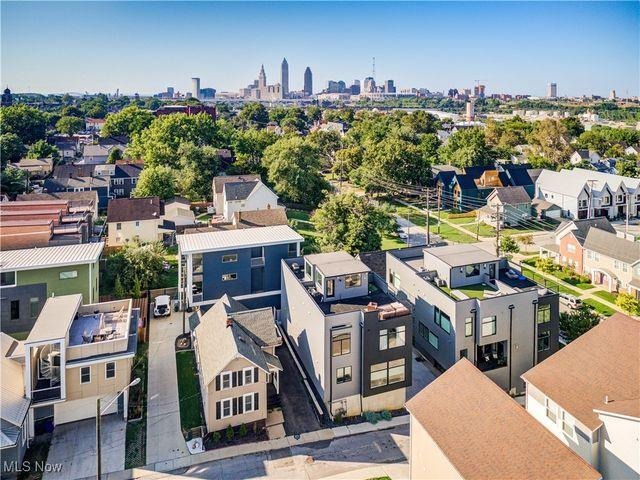
Cleveland offers a wide range of neighborhoods for different types of buyers and investors. Ohio City and Tremont continue attracting younger professionals because of restaurants, nightlife, walkability, and redevelopment projects. These neighborhoods are often viewed as strong appreciation areas.
Parma and Euclid provide more affordable opportunities for families seeking larger homes and quieter suburban environments.
Premium suburbs such as Shaker Heights and Westlake appeal to buyers focused on school quality, community amenities, and long term property stability. The right neighborhood depends entirely on your financial goals, lifestyle preferences, and investment strategy.
Is Cleveland a good place to invest in property?
For many investors, Cleveland remains one of the Midwest’s strongest real estate opportunities because entry pricing is still relatively affordable compared to national averages.
Rental demand continues to stay consistent because of healthcare workers, university students, families, and relocating professionals. Multifamily properties and small residential rentals are especially attractive for investors seeking stable monthly income.
However, successful investing requires strategy. Not every inexpensive property is automatically a good investment. Some neighborhoods may experience slower appreciation or higher maintenance challenges.
Experienced investors focus on areas with employment growth, infrastructure improvements, and strong tenant demand rather than simply chasing the lowest purchase price.
That long term mindset is what separates successful investors from short term speculators. Invest in yourself. Invest with us.
Common mistakes buyers and investors should avoid
Many buyers become emotionally attached to properties before evaluating the full financial picture. A beautiful house does not always mean a smart investment.
Another common issue is stretching beyond a comfortable budget. Just because a lender approves a higher amount does not mean buyers should maximize every dollar available.
Skipping inspections is another costly mistake, especially in older Cleveland properties where hidden structural or mechanical problems may exist.
Investors also make mistakes by assuming every neighborhood will appreciate equally. Cleveland’s market varies significantly by location, making research and local market understanding extremely important before purchasing.
Patience and preparation almost always lead to stronger long term results.
Why affordability matters more than ever
Across the United States, affordability has become one of the defining issues in real estate. Rising home prices and mortgage rates have forced many buyers to reconsider where they can realistically build long term stability.
That is one reason Cleveland continues standing out. Buyers can still purchase property without taking on the extreme financial pressure common in larger housing markets.
For families, this means more room for savings and lifestyle flexibility. For investors, it creates opportunities to generate cash flow without requiring massive capital upfront.
Buyers researching rent a house cincinnati or comparing different Ohio housing markets are increasingly discovering that Cleveland provides a unique balance between affordability and opportunity.
Final thoughts on the cost of living in Cleveland Ohio
Cleveland continues offering something many real estate markets have lost: realistic affordability combined with long term potential.
The city provides manageable housing costs, strong healthcare infrastructure, stable employment sectors, and investment opportunities that remain accessible for both first time buyers and experienced investors.
For home buyers, Cleveland creates an opportunity to build equity instead of remaining trapped in rising rental cycles. For investors, it offers relatively affordable entry points with stable rental demand and long term redevelopment potential.
The most successful buyers are not simply chasing trends. They are looking for sustainable markets where ownership still makes financial sense.
That is why Cleveland continues earning attention from buyers across Ohio and beyond.
Invest in yourself. Invest with us.
Frequently Asked Questions
Is Cleveland Ohio affordable to live in?
Yes. Cleveland remains more affordable than many major US cities, especially regarding housing and overall living expenses.
What salary is needed to live comfortably in Cleveland?
Most households earning between $60,000 and $90,000 annually can maintain a comfortable lifestyle depending on spending habits and neighborhood choice.
Is Cleveland good for property investment?
Cleveland offers strong investment potential because of affordable home prices, rental demand, and redevelopment activity.
Is it cheaper to rent or buy in Cleveland?
Renting may have lower upfront costs, but buying often creates better long term financial value through equity and appreciation.
What are the best neighborhoods in Cleveland?
Popular areas include Ohio City, Tremont, Parma, Westlake, and Shaker Heights depending on lifestyle and investment goals.