
Introduction
Buying a home is one of the most exciting milestones in life. For many people, it represents stability, financial growth, and the freedom to create a place that truly feels like their own. Yet while most buyers focus on saving for a down payment and securing a mortgage, there is another reality that often catches people off guard.
The hidden costs of buying a home most buyers miss can quickly add thousands of dollars to the overall purchase. These expenses often appear after an offer is accepted or once a buyer moves into the property, creating unexpected financial pressure.
According to housing market research, buyers should expect to spend two percent to five percent of the home price on additional costs beyond the purchase price. Without proper planning, these hidden expenses can turn an exciting investment into a stressful experience.
Understanding these costs in advance allows buyers to budget properly, avoid surprises, and make smarter real estate decisions.
Why Hidden Costs Matter When Buying a Home

When buyers calculate affordability, they usually consider three main factors: the home price, the mortgage payment, and the down payment. However, the full cost of homeownership includes several additional expenses that many first time buyers underestimate.
These hidden costs can include closing fees, inspections, insurance, taxes, maintenance, and moving expenses. While each cost may seem small on its own, together they can represent a significant financial commitment.
Professional real estate guidance often helps buyers prepare for these expenses. Experienced agents and advisors typically provide buyers with a realistic cost breakdown so they can move forward with confidence.
Closing Costs: The Biggest Hidden Expense
One of the most common hidden home buying costs occurs during the closing process.
Closing costs are the fees required to finalize the real estate transaction and transfer ownership of the property. On average, buyers pay two percent to five percent of the home’s purchase price in closing costs.
For example, if a buyer purchases a home for three hundred thousand dollars, closing costs could range from six thousand to fifteen thousand dollars.
Typical Closing Costs Include
- Loan origination fees
- Title insurance
- Attorney or escrow fees
- Appraisal fees
- Property taxes and prepaid insurance
- Recording fees
These expenses are necessary to legally complete the purchase and protect both the buyer and the lender.
Home Inspection and Appraisal Costs
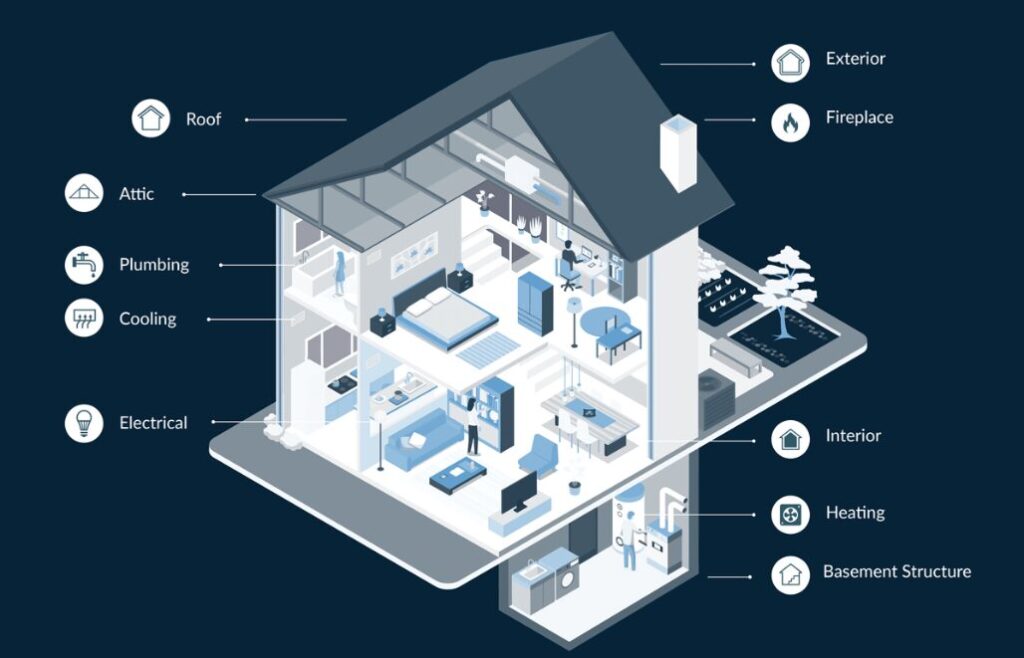
Before a home purchase becomes final, buyers usually schedule both a home inspection and an appraisal.
A home inspection evaluates the property’s condition and identifies potential issues such as roof damage, plumbing problems, or electrical concerns. Inspection fees typically range between three hundred and six hundred dollars, depending on the property size and location.
An appraisal is required by most lenders to determine the market value of the property. This helps confirm that the buyer is not paying more than the home’s estimated value.
While these costs may seem small compared to the purchase price, they play a crucial role in protecting buyers from making costly mistakes.
Property Taxes and Homeowners Insurance
Two ongoing expenses that many buyers overlook are property taxes and homeowners insurance.
Property taxes vary significantly depending on the location of the home and local tax rates. In many areas, annual property taxes can range from one percent to two percent of the property’s value.
Homeowners insurance protects the property from risks such as fire, natural disasters, and theft. Most mortgage lenders require buyers to maintain insurance coverage before approving a loan.
Together, property taxes and insurance can add hundreds of dollars to a monthly mortgage payment.
Maintenance and Repairs After Moving In

One of the most underestimated unexpected costs of homeownership is ongoing maintenance.
Unlike renting, homeowners are responsible for maintaining the property and addressing repairs. Experts often recommend budgeting one percent to three percent of the home’s value annually for maintenance costs.
Common maintenance expenses include:
- Roof repairs
- Heating and cooling system servicing
- Plumbing repairs
- Exterior maintenance
- Landscaping
Even newly built homes require maintenance over time, which is why financial preparation is essential.
Moving and Setup Expenses
Another hidden expense many buyers forget to calculate is the cost of moving and setting up a new home.
Moving costs vary based on distance and the amount of belongings being transported. Hiring professional movers can cost several hundred to several thousand dollars.
In addition to moving services, buyers may also need to purchase furniture, appliances, window coverings, and other essentials.
These costs may seem minor individually, but together they can quickly increase the overall investment required when purchasing a property.
Expert Tips for Budgeting Home Buying Costs
Planning for hidden expenses can make the home buying experience much smoother.
Smart Budgeting Tips
- Save extra funds beyond the down payment. Many financial experts recommend keeping an additional three to five percent of the home’s value for closing costs and initial expenses.
- Request a detailed cost estimate from your lender. Mortgage lenders typically provide a closing cost breakdown early in the loan process.
- Work with experienced real estate professionals. A knowledgeable team can help buyers anticipate potential costs before they arise.
- Schedule thorough property inspections. Identifying problems early may prevent expensive repairs later.
- Create a maintenance reserve fund. Having funds set aside for repairs protects your long term financial stability.
Common Mistakes Home Buyers Should Avoid
Even well prepared buyers can overlook certain financial details during the purchasing process.
Some common mistakes include:
- Focusing only on the down payment while ignoring additional expenses
- Underestimating closing costs and legal fees
- Skipping property inspections to save money
- Not budgeting for home maintenance and repairs
- Purchasing furniture or appliances immediately after closing
Avoiding these mistakes can help buyers maintain financial stability after purchasing a home.
Why Professional Guidance Makes a Difference
Navigating the real estate market involves more than simply finding the right property. Understanding the full financial picture is equally important.
Experienced real estate professionals help buyers analyze property values, estimate true ownership costs, and identify properties that align with their financial goals. This guidance can help buyers avoid costly surprises and make more informed investment decisions.
For investors and home buyers alike, working with knowledgeable advisors can transform a complicated transaction into a confident and rewarding experience.
Conclusion
The hidden costs of buying a home most buyers miss can significantly affect the total investment required to purchase property. From closing costs and inspections to maintenance and moving expenses, these additional costs are an important part of the homeownership journey.
By understanding these expenses in advance, buyers can create a realistic budget, avoid financial stress, and approach the real estate market with greater confidence.
Whether you are purchasing your first home or expanding your real estate portfolio, careful planning and expert guidance can make the process smoother and more successful.
If you are exploring real estate opportunities or preparing to buy a home, learning about the full cost of ownership is one of the smartest steps you can take before making your investment.