
Introduction
Buying a home is a major milestone, but for many people, the biggest question comes long before they start house hunting: how much money do you need to buy a house?
It is easy to assume you need a large amount of savings or a perfect financial situation to get started. That belief often holds buyers back from exploring real estate opportunities that might actually be within reach.
The truth is, the total cost of buying a home is made up of several parts, not just the down payment. Once you understand these costs, you can plan more effectively and move forward with confidence.
Whether you are a first time buyer or considering your next property investment, knowing what to expect financially is the first step toward successful homeownership.
Understanding the True Cost of Buying a House
When people ask how much money do you need to buy a house, they often think only about the down payment. In reality, there are several important costs involved.
The main expenses include:
- Down payment
- Closing costs
- Monthly mortgage payments
- Property taxes and insurance
- Maintenance and repairs
According to industry data, buyers should be prepared to spend an additional two percent to five percent of the home price on closing costs alone, on top of the down payment.
Understanding these components helps you build a realistic budget and avoid surprises.
Down Payment: The First Major Cost
The down payment is usually the largest upfront cost when buying a home. It is the portion of the property price that you pay out of pocket.
How Much Is a Down Payment?
The required down payment depends on the type of loan:
- Conventional loans typically require 5 percent to 20 percent
- FHA loans may allow as little as 3.5 percent
- VA and USDA loans may offer zero down payment options for eligible buyers
For example, on a 300,000 dollar home:
- 5 percent down equals 15,000 dollars
- 20 percent down equals 60,000 dollars
A larger down payment can reduce your monthly mortgage payments and may help you avoid additional costs such as private mortgage insurance.
Closing Costs Explained
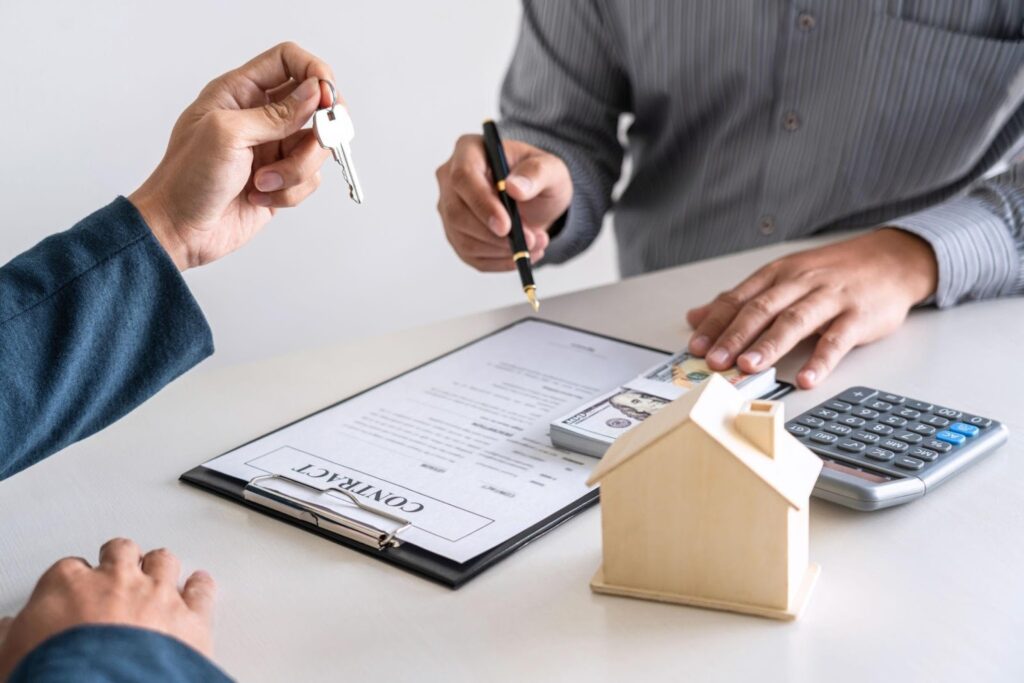
Closing costs are often overlooked but play a significant role in answering how much money do you need to buy a house.
These costs include fees required to finalize the transaction.
Typical Closing Costs Include:
- Loan origination fees
- Appraisal and inspection fees
- Title insurance
- Legal or escrow fees
- Property taxes and prepaid insurance
On average, closing costs range from 2 percent to 5 percent of the home price.
For a 300,000 dollar home, that could mean an additional 6,000 to 15,000 dollars.
Monthly Costs After Buying a Home
Buying a home is not just about upfront costs. Ongoing expenses are equally important when planning your budget.
Mortgage Payment
Your monthly mortgage includes:
- Principal and interest
- Property taxes
- Homeowners insurance
This total is often referred to as your monthly housing payment.
Property Taxes and Insurance
Property taxes vary by location and can range from 1 percent to 2 percent of the property value annually.
Homeowners insurance protects your investment and is required by most lenders.
Maintenance and Repairs
Owning a home means taking responsibility for maintenance.
Experts recommend setting aside 1 percent to 3 percent of the home value each year for repairs and upkeep.
Common expenses include:
- Roof repairs
- HVAC maintenance
- Plumbing issues
- General wear and tear
These costs are essential to keep your property in good condition and maintain its value.
Example: Total Cost Breakdown
Let us look at a simplified example to understand how much money do you need to buy a house.
Home price: 300,000 dollars
- Down payment (5 percent): 15,000 dollars
- Closing costs (3 percent): 9,000 dollars
- Initial maintenance and setup: 3,000 dollars
Total upfront cost: approximately 27,000 dollars
This example shows why it is important to plan beyond just the down payment.
Tips to Prepare Financially for Buying a Home
If you are preparing to buy a home, a clear financial strategy can make the process much smoother.
1. Start Saving Early
Building savings over time helps you cover both the down payment and closing costs.
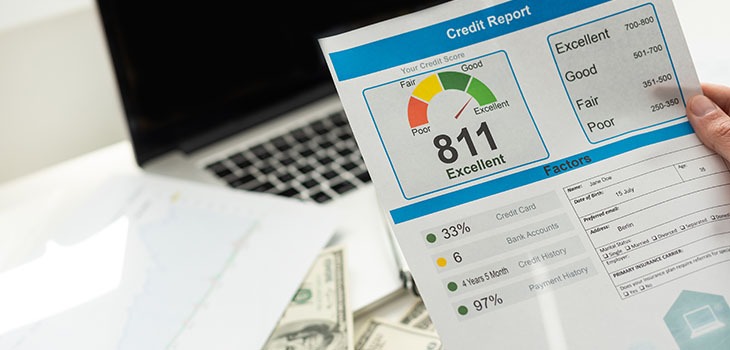
2. Improve Your Credit Score
Higher credit scores can help you qualify for better mortgage rates.
3. Get Pre Approved
Mortgage pre approval gives you a clear understanding of your budget and strengthens your position as a buyer.
4. Plan for Extra Costs
Always keep additional funds for unexpected expenses after moving in.
5. Work With Experienced Professionals
A knowledgeable real estate team can guide you through budgeting, financing options, and property selection.
Common Mistakes Buyers Should Avoid
Many buyers underestimate how much money is needed to purchase a home.
Here are some common mistakes to watch out for:
- Focusing only on the down payment
- Ignoring closing costs and additional fees
- Not budgeting for maintenance
- Overestimating what they can afford
- Making large purchases before mortgage approval
Avoiding these mistakes can help you stay financially stable during and after the home buying process.
Why Professional Guidance Matters
Understanding how much money do you need to buy a house can feel complex, especially for first time buyers.
Experienced real estate professionals help simplify the process by:
- Providing accurate cost estimates
- Explaining financing options
- Identifying properties within your budget
- Helping you avoid costly surprises
With the right guidance, buyers can make informed decisions and feel confident throughout the process.
Conclusion
So, how much money do you need to buy a house?
The answer depends on several factors, including the price of the home, loan type, and location. While the down payment is a major expense, it is only part of the total cost.
By considering closing costs, monthly payments, and ongoing maintenance, you can create a realistic budget and prepare for successful homeownership.
Buying a home is not just a financial decision. It is an investment in your future. With careful planning and the right support, owning property can be more achievable than many people think.
If you are ready to explore real estate opportunities or want to understand your buying power, taking the next step today could bring you closer to your ideal home.