Real estate development is not simply about constructing buildings. In Cincinnati, it is about strengthening neighborhoods, improving housing quality, and creating long term value for both families and investors. Every apartment community represents a financial decision, a design decision, and a responsibility to the people who call it home.
At Prosper Communities, development and value add investment are approached with discipline and intention. The focus is not short term gain. It is a sustainable improvement. From acquiring underperforming properties to upgrading infrastructure and enhancing resident experience, each stage of the process is rooted in local market understanding and operational expertise.
To truly understand how strong communities are built, it helps to look at the full development and investment lifecycle. In Cincinnati’s growing rental market, thoughtful strategy makes all the difference.
Understanding the Real Estate Development Landscape in Cincinnati
The Growth of Multi Family Housing in Cincinnati
Cincinnati has experienced steady rental demand driven by workforce growth, young professionals, and families seeking flexibility. Multi family properties have become an essential part of the housing ecosystem. Well located apartment communities near employment hubs, schools, and transportation corridors continue to see strong occupancy.
This demand creates opportunity, but it also creates responsibility. Development must align with neighborhood character, affordability considerations, and long term market stability. Successful projects are grounded in real data, not speculation.
Why Local Market Knowledge Matters
Real estate development is highly localized. What works in one Ohio city does not always translate to another. In Cincinnati, factors such as school districts, tax structures, and neighborhood reputation directly influence property performance.
Neighborhood Level Demand Drivers
• Access to major highways
• Proximity to employment centers
• School district performance
• Local amenities and retail growth
Understanding these details ensures development decisions strengthen communities rather than disrupt them.
From Acquisition to Vision: Identifying Opportunity
Evaluating Underperforming Assets
Many successful development projects begin with identifying properties that have untapped potential. This often involves acquiring existing apartment communities that require operational improvements, physical upgrades, or strategic repositioning.
A disciplined acquisition strategy looks at:
• Current occupancy rates
• Rental comparables
• Deferred maintenance
• Operational inefficiencies
• Neighborhood growth trends
The goal is not cosmetic change. It is structural and financial improvement that supports long term value.
Due Diligence and Risk Assessment
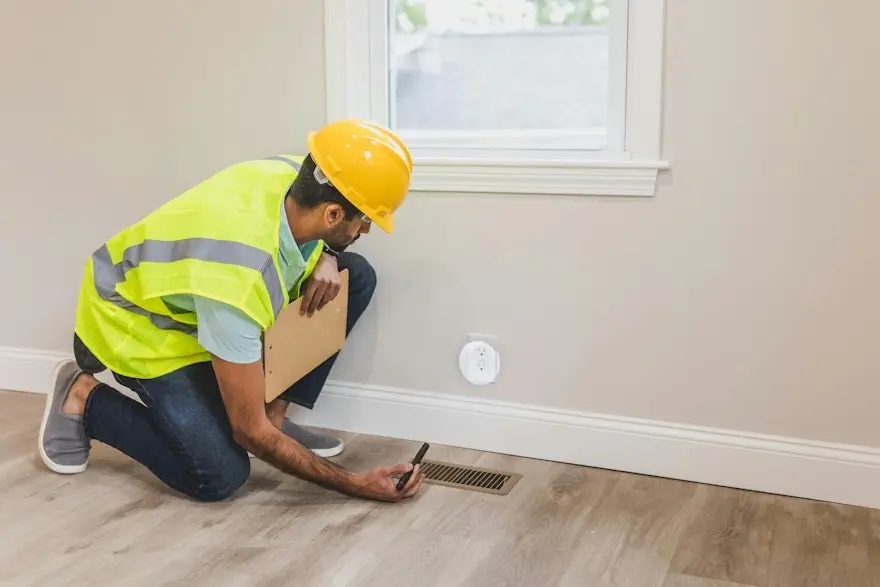
Before any acquisition closes, thorough due diligence is critical. This includes financial review, property inspections, and regulatory compliance checks.
Financial Performance Review
Cash flow analysis, rent rolls, and expense ratios reveal whether a property can support reinvestment.
Physical Condition Assessment
Roofing, plumbing, electrical systems, and structural integrity are evaluated carefully. Development decisions must be based on facts, not assumptions.
Strategic Renovation and Community Enhancement
Improving Quality of Living Spaces
Value add real estate strategy often centers on improving unit interiors and common areas. Updated kitchens, modern flooring, energy efficient systems, and improved lighting enhance both comfort and long term asset durability.
These upgrades serve two purposes. They increase resident satisfaction and strengthen property value.
Enhancing Community Experience
Real estate development extends beyond individual units. It includes shared spaces and overall environment.
Safety and Security Improvements
Enhanced lighting, controlled access systems, and well maintained grounds contribute to resident confidence.
Exterior and Amenity Upgrades
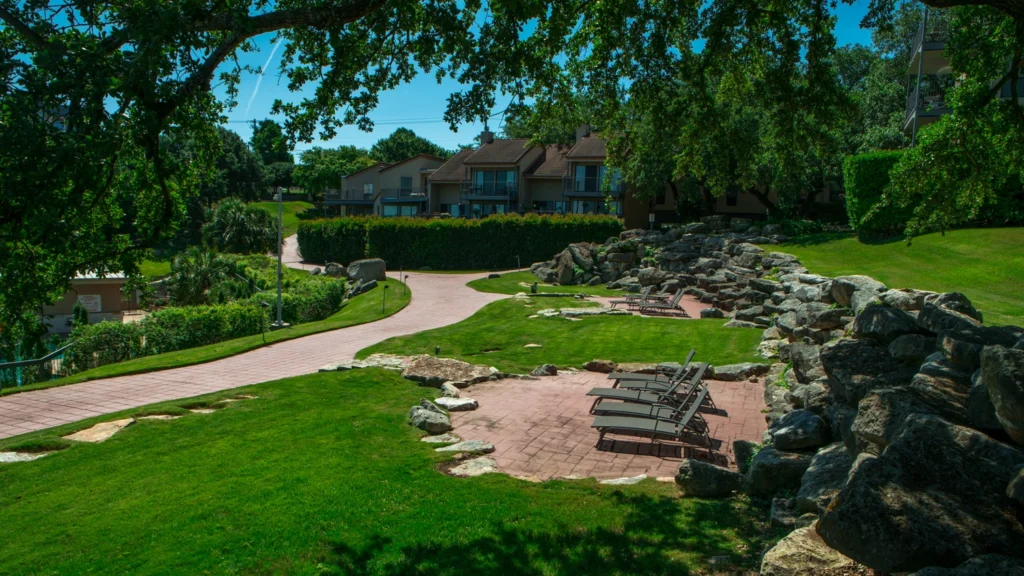
Landscaping improvements, refreshed facades, and communal gathering areas elevate neighborhood appeal and attract long term tenants.
Thoughtful upgrades support families seeking stability and investors seeking predictable returns.
Financial Structuring and Long Term Stability
Aligning Capital with Strategy
Every development or repositioning project requires structured financing. Capital must align with realistic timelines and market conditions.
This often includes:
• Equity investment
• Structured debt financing
• Reserve allocations for improvements
• Contingency planning
The objective is sustainable growth rather than aggressive leverage.
Managing Market Cycles
Conservative Underwriting Practices
Projects are evaluated with conservative rent growth assumptions and expense projections. This protects long term asset health.
Cash Flow Focus
Stable occupancy and consistent rental income are prioritized over speculative appreciation.
This disciplined approach builds resilience into each community.
Regulatory Compliance and Operational Excellence
Real estate development in Cincinnati involves municipal regulations, safety codes, and housing standards. Compliance is not optional. It protects residents and preserves asset value.
Working within city and county frameworks ensures smooth operations and long term viability.
Professional Property Management
Development does not end at renovation. Ongoing management defines success.
Resident Communication Systems
Clear communication, responsive maintenance, and transparent policies create trust within the community.
Preventive Maintenance Programs
Regular inspections and proactive repairs reduce long term capital expenses and improve resident satisfaction.
Operational excellence transforms properties into thriving communities.
Creating Value for Families and Investors
Supporting Families Through Quality Housing
Families seek safe, clean, and well maintained living environments. They value predictable rent structures, responsive management, and a sense of belonging.
Development strategy must support:
• Stable lease structures
• Consistent maintenance standards
• Comfortable unit layouts
• Accessible locations
When these fundamentals are met, communities flourish.
Delivering Sustainable Returns for Investors
Investors look for disciplined asset management, controlled expenses, and long term appreciation potential.
Asset Appreciation Through Improvement
Strategic upgrades increase property value and market competitiveness.
Rental Income Stability
Strong occupancy and tenant retention create reliable income streams.
Balancing these priorities strengthens both the community and the investment.
Why Strategic Real Estate Development Matters in Cincinnati
Real estate development shapes neighborhoods for decades. Poor planning creates instability. Strategic investment creates lasting benefit.
In Cincinnati, where demand for quality rental housing continues to grow, disciplined development supports both residents and the broader local economy. Properties that are thoughtfully acquired, improved, and managed contribute to neighborhood stability and upward momentum.
At Prosper Communities, the approach is grounded in long term thinking. Each community is viewed as more than a building. It is a place where families live, work, and build their futures. Development decisions are made with that responsibility in mind.
When strategy, local knowledge, and operational excellence align, real estate becomes a tool for strengthening entire communities.