

Buying a home is one of the biggest financial decisions you will ever make, and choosing the right location plays a major role in long term stability. Ohio has steadily become one of the most attractive states for new home buyers because it offers something many markets no longer do, affordability with a reasonable quality of life. But here is what matters most. The real cost of living in Ohio is not just about the home price. It is about understanding the full monthly and yearly financial commitment that comes with owning and maintaining a property.
Many buyers look at listing prices and assume they can afford a home, only to later realize that additional costs such as taxes, insurance, utilities, and daily living expenses can significantly impact their budget. This guide breaks everything down clearly using realistic numbers so you can make a confident and informed decision before stepping into the Ohio housing market.
Ohio offers a diverse real estate landscape. From growing urban centers like Columbus to more affordable cities like Cleveland, buyers have options that fit different budgets and lifestyles. The flexibility in pricing is one of the biggest advantages for first time buyers, especially those who are priced out of more expensive states.
Average Home Prices Across Ohio
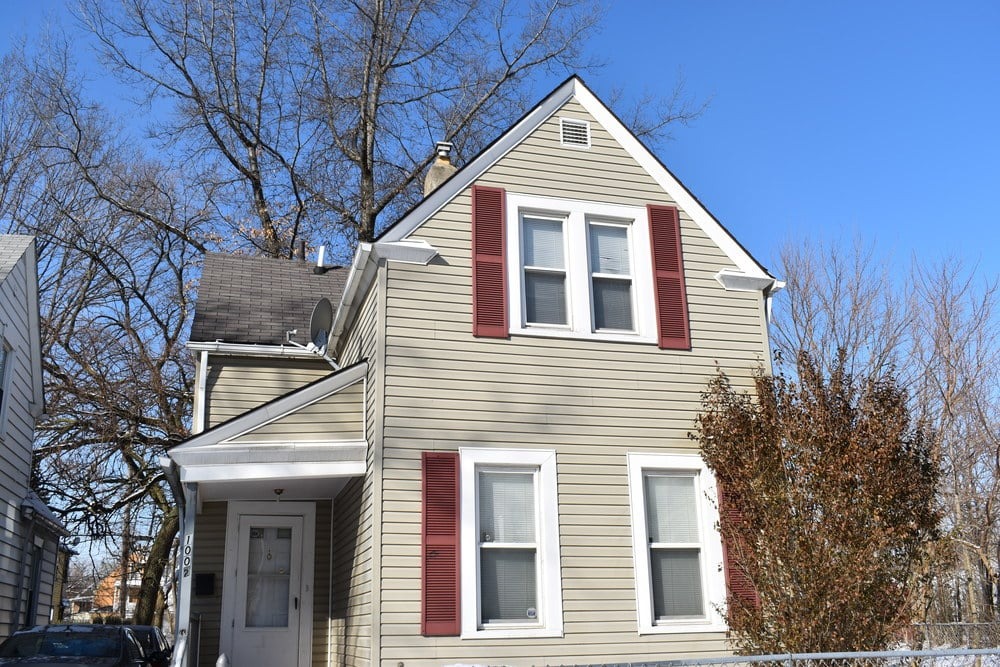
The first step in understanding the cost of living is looking at home prices. Ohio remains relatively affordable compared to the national average, but there are still noticeable differences depending on the city. Urban areas with strong job markets tend to have higher prices, while smaller cities and suburbs offer more budget friendly options.
Average Home Prices in Major Ohio Cities
| City | Average Home Price Range |
| Columbus | 260000 to 320000 |
| Cleveland | 180000 to 240000 |
| Cincinnati | 230000 to 300000 |
| Toledo | 150000 to 220000 |
| Ohio Average | 220000 to 260000 |
For most new buyers, a home priced around 250000 is a common benchmark. With a 10 percent down payment and an interest rate around 6.5 percent, the estimated monthly mortgage payment typically falls between 1400 and 1700. This is significantly lower than what buyers would expect in many other states, making Ohio an appealing entry point into homeownership.
However, the mortgage is only one part of the overall financial picture. To truly understand affordability, you need to account for additional recurring costs.
Property Taxes in Ohio
Property taxes are one of the most overlooked expenses when buying a home, yet they have a direct impact on your monthly budget. Ohio’s property tax rates are slightly higher than the national average, which means buyers need to plan carefully.
The average effective property tax rate in Ohio is about 1.4 percent. For a home valued at 250000, this translates to an annual tax bill of approximately 3000 to 3500, or about 250 to 300 per month. The exact rate varies by county, and this variation can significantly affect your total cost of ownership.
Estimated Property Tax Costs
| Home Value | Annual Tax | Monthly Cost |
| 200000 | 2800 | 230 |
| 250000 | 3200 | 265 |
| 300000 | 4200 | 350 |
Buyers should always research local tax rates before making a final decision, as choosing a different county could save or cost thousands over time.
Utilities and Seasonal Living Costs

Utility costs in Ohio are generally moderate, but they can fluctuate depending on the season. Winters can be cold, especially in northern regions, which increases heating expenses. On the other hand, summer costs tend to be more manageable.
Homeowners should expect to pay for electricity, heating, water, and internet services each month. While these costs are not extreme, they still add a noticeable amount to your overall budget.
Average Monthly Utility Costs
| Expense Type | Monthly Cost |
| Electricity and Heating | 150 to 250 |
| Water and Sewer | 50 to 100 |
| Internet | 60 to 90 |
| Total | 250 to 400 |
These numbers can vary depending on the size of the home, insulation quality, and personal usage habits. Older homes, for example, may have higher heating costs due to less efficient systems.
Home Insurance Costs

Another essential cost to consider is home insurance. Fortunately, Ohio is considered a relatively low risk state when it comes to natural disasters, which keeps insurance premiums more affordable compared to coastal regions.
Most homeowners in Ohio pay between 900 and 1500 annually for insurance coverage. This translates to roughly 75 to 125 per month. The exact premium depends on factors such as the home’s location, age, construction type, and coverage level.
While insurance may seem like a minor expense compared to the mortgage, it plays a critical role in protecting your investment and should never be overlooked.
Total Monthly Cost of Homeownership

When you combine all major housing related expenses, you get a realistic view of what it actually costs to own a home in Ohio. This is where many buyers gain clarity, as it goes beyond the basic mortgage calculation.
Estimated Total Monthly Housing Cost
| Cost Category | Monthly Estimate |
| Mortgage | 1500 |
| Property Tax | 275 |
| Insurance | 100 |
| Utilities | 300 |
| Total | 2100 to 2300 |
For a mid range home, this is a reasonable expectation. It gives buyers a more accurate benchmark for budgeting and helps avoid financial stress after purchase.
Everyday Living Expenses in Ohio

Owning a home is only part of the equation. Daily living expenses also play a major role in determining affordability. Ohio performs well in this area, offering lower costs for groceries, transportation, and healthcare compared to many other states.
Average Monthly Living Expenses
| Expense Category | Monthly Cost |
| Groceries | 300 to 500 |
| Transportation | 150 to 300 |
| Healthcare | 200 to 400 |
For families, these costs can increase depending on household size and lifestyle choices. However, overall living expenses in Ohio remain manageable, which helps balance out the cost of homeownership.
Income and Job Market Overview

A key factor in determining whether you can afford a home is your income. Ohio has a diverse and stable economy with strong sectors in healthcare, manufacturing, logistics, and education. This economic diversity provides consistent job opportunities across different regions.
The average household income in Ohio typically ranges between 65000 and 75000. For comfortable homeownership, a minimum annual income of around 55000 is often recommended, depending on your debt levels and lifestyle.
Cities like Columbus are experiencing steady growth, attracting new businesses and increasing demand for housing. This not only creates job opportunities but also supports long term property value appreciation.
Final Thoughts
Ohio continues to be one of the few states where homeownership remains within reach for many buyers. With average monthly housing costs between 2100 and 2300 for a mid range home, it provides a realistic opportunity to own property without overwhelming financial pressure.
The key is understanding the full cost of living, not just the home price. When you factor in taxes, utilities, insurance, and everyday expenses, you gain a complete picture that allows you to plan effectively.
For buyers who value affordability, stability, and long term potential, Ohio is a strong and sensible choice. By approaching the process with clear expectations and solid financial planning, you can move forward with confidence and make a decision that supports your future goals.