
Introduction
Owning rental property is often seen as one of the smartest ways to build long term wealth. The idea of earning consistent monthly income while your property increases in value sounds appealing. But before investing, most people ask the same question: how much profit do rental properties make?
The answer is not always simple. Rental property profits depend on several factors such as location, property type, financing, and management strategy. Some investors earn steady monthly cash flow, while others focus more on long term appreciation and equity growth.
The good news is that with the right approach, rental properties can generate reliable income and strong returns over time. Understanding how profits are calculated and what affects them can help you make smarter investment decisions.
Understanding Rental Property Profit
To understand how much profit rental properties make, it is important to break down how income and expenses work.
Rental property profit typically comes from two main sources:
1. Monthly Cash Flow
This is the income you earn after all expenses are paid.
2. Property Appreciation
This is the increase in the property’s value over time.
A profitable rental property ideally generates both consistent cash flow and long term value growth.
How Rental Income Is Calculated
Rental income is the amount you receive from tenants each month. However, profit is not simply the rent collected.
To calculate real profit, you must subtract all operating expenses.
Common Expenses Include:
- Mortgage payments
- Property taxes
- Insurance
- Maintenance and repairs
- Property management fees
- Vacancy costs
Simple Profit Formula:
Rental Income minus Expenses equals Net Profit
For example, if a property generates 2,000 dollars in monthly rent and expenses total 1,500 dollars, the monthly profit is 500 dollars.
Average Rental Property Returns
The profit from rental properties varies depending on market conditions and investment strategy.
On average:
- Many investors aim for 6 percent to 10 percent annual ROI
- Cash flow can range from 200 to 1,000 dollars per month per property
- Property values historically increase around 3 percent to 5 percent annually
These numbers are not guaranteed, but they provide a general benchmark for evaluating investment opportunities.
In high demand areas, rental income and property appreciation may be higher, while slower markets may offer lower returns but more stability.
Factors That Affect Rental Property Profit
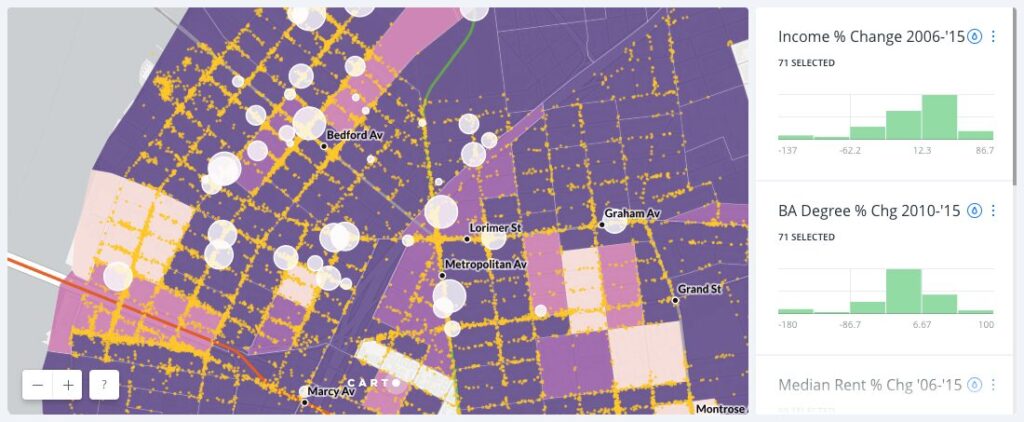
Several factors influence how much profit rental properties can generate.
Location
Location is one of the most important factors. Properties in areas with strong job markets, population growth, and high rental demand tend to generate higher income.
Property Type
Different property types produce different returns.
- Single family homes may offer stable tenants
- Multifamily properties provide multiple income streams
- Short term rentals may generate higher income but require more management
Financing Strategy
The way a property is financed affects profitability. Lower interest rates and larger down payments can reduce monthly costs and increase cash flow.
Property Management
Efficient property management helps maintain occupancy, reduce expenses, and improve tenant satisfaction. Poor management can reduce profits quickly.
Market Conditions
Interest rates, housing supply, and rental demand all impact rental property performance. Understanding current market trends helps investors make better decisions.
Cash Flow vs Appreciation
When evaluating how much profit rental properties make, it is important to understand the difference between cash flow and appreciation.
Cash Flow
This is the money left over each month after expenses. Positive cash flow means the property generates income immediately.
Appreciation
This is the increase in property value over time. Even if monthly cash flow is modest, long term appreciation can create significant wealth.
Many successful investors focus on both strategies to maximize overall returns.
Real World Example
Consider a rental property purchased for 250,000 dollars.
- Monthly rent: 1,800 dollars
- Monthly expenses: 1,300 dollars
- Monthly profit: 500 dollars
Annual cash flow equals 6,000 dollars.
If the property increases in value by 4 percent annually, that adds 10,000 dollars in appreciation.
Total annual return combines both cash flow and appreciation, making real estate a powerful wealth building tool.
Expert Tips to Maximize Rental Property Profit
Maximizing rental income requires strategy and planning.
1. Buy in High Demand Areas
Focus on locations with strong rental demand and economic growth.
2. Screen Tenants Carefully
Reliable tenants reduce vacancy and maintenance issues.
3. Keep Expenses Under Control
Regular maintenance prevents costly repairs later.
4. Increase Rental Value
Small upgrades such as modern kitchens or improved interiors can increase rental income.
5. Consider Professional Management
Experienced property managers can improve efficiency and tenant retention.
Common Mistakes Investors Should Avoid
Many investors reduce their profits by making avoidable mistakes.
Some common errors include:
- Overestimating rental income
- Underestimating maintenance costs
- Ignoring vacancy periods
- Choosing poor locations
- Taking on too much debt
Avoiding these mistakes can significantly improve long term returns.
Why Professional Guidance Matters
Real estate investing involves more than buying a property and collecting rent. Understanding market trends, evaluating properties, and managing expenses all require experience.
Working with knowledgeable real estate professionals can help investors identify profitable opportunities, analyze potential returns, and manage risks effectively.
Professional guidance often makes the difference between an average investment and a highly profitable one.
Conclusion
So, how much profit do rental properties make?
The answer depends on several factors, but many investors earn consistent monthly income along with long term appreciation. Rental properties can generate cash flow, build equity, and provide financial security over time.
With the right strategy, careful planning, and expert support, rental property investing remains one of the most effective ways to grow wealth.
If you are considering investing in rental property, understanding the numbers and working with experienced professionals can help you make confident and profitable decisions.